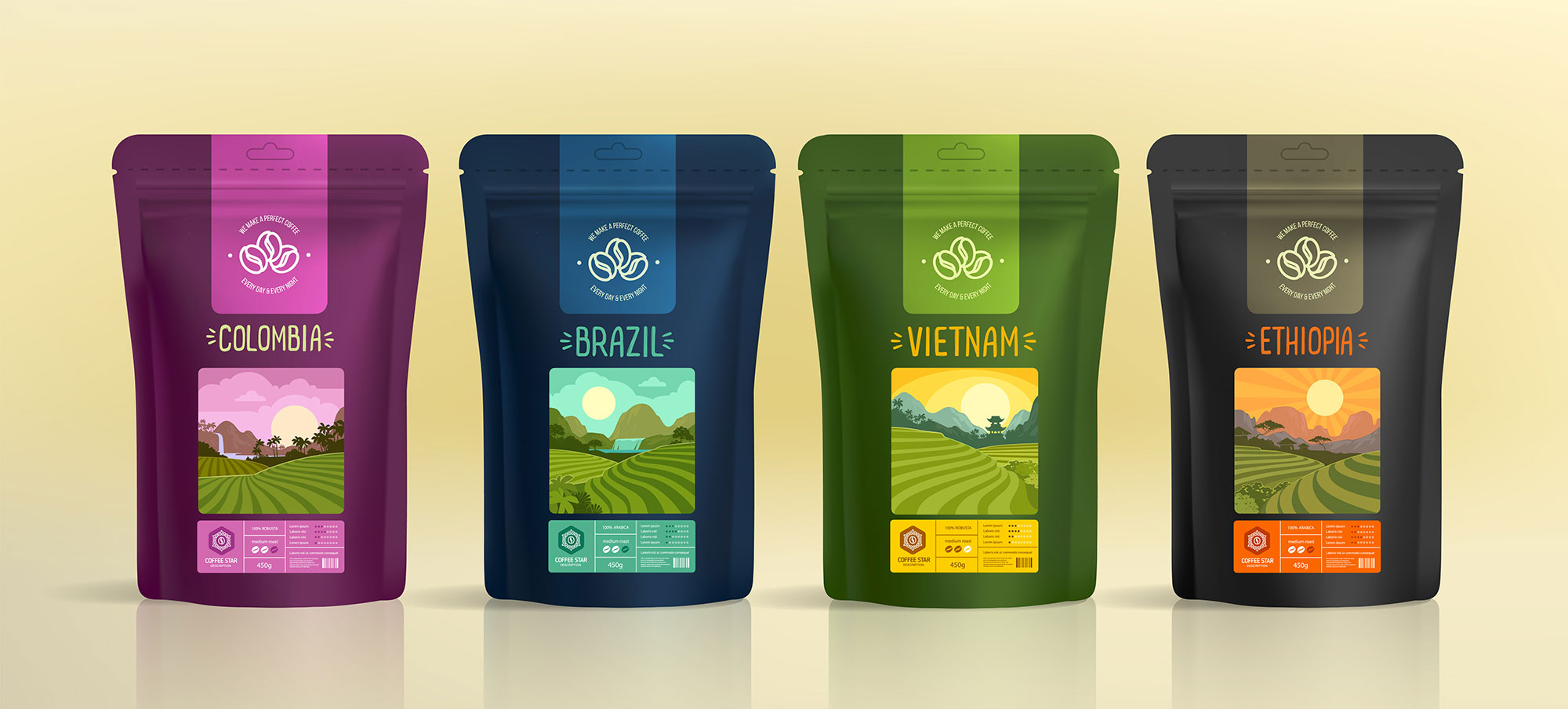
Small label runs provide real customer feedback, reduce costly mistakes, and help businesses scale confidently with proven demand.

Every printer's pricing chart is built to push you in one direction: order more. The per-unit price drops, the "value" climbs, and the chart all but dares you to think small.
Your business needs you to ignore it.
For your first order, 50 labels beats 5,000 almost every time, and not because you can't afford more. Because 50 buys you something 5,000 can't.
Big first orders are paid for with optimism. You assume the design is right, the product will move, and nothing will change. Every founder assumes this. Almost none of them are correct on all three.
The market hasn't told you anything yet. Ordering 5,000 units is making a five-thousand-unit bet on a hand you haven't seen.
Fifty labels is enough to put a real, finished product in front of real customers listed, photographed, for sale. That's the only thing that generates the feedback you actually need.
When you've printed 50, fixing the too-small logo costs you a re-upload. When you've printed 5,000, it costs you 5,000.
Order your 50 across two or three finishes, matte, gloss, kraft, stick them on the actual bottle, and photograph them in the light your customers will see. You'll learn more in an afternoon than a spec sheet will ever tell you.
Now you know how fast the product actually moves. That number, not the price chart should decide your next order size.
Yes. Per label, 50 costs more than 5,000. Here's why it doesn't matter: the extra you pay on a tiny first run is a rounding error next to the cost of a 5,000-unit mistake. You're not buying labels at this stage. You're buying information — and information is cheapest when you buy it in small batches.
The beautiful part: when the data says, "this is working," the same artwork scales straight up. Validate at 50, grow to a few hundred as orders come in, and only commit to a big run once the product has proven it can carry one. You climb the price chart from the bottom, after the market has told you it's safe to.
Start small. Not because you're playing it safe, but because at the start, small is the smart bet.
Test your design before you commit to thousands.[Order a 50-unit short run or a sample pack] and let real customers tell you what to print next.
Browse more practical insights connected to warehouse management, automation, labelling, mobility, and support.