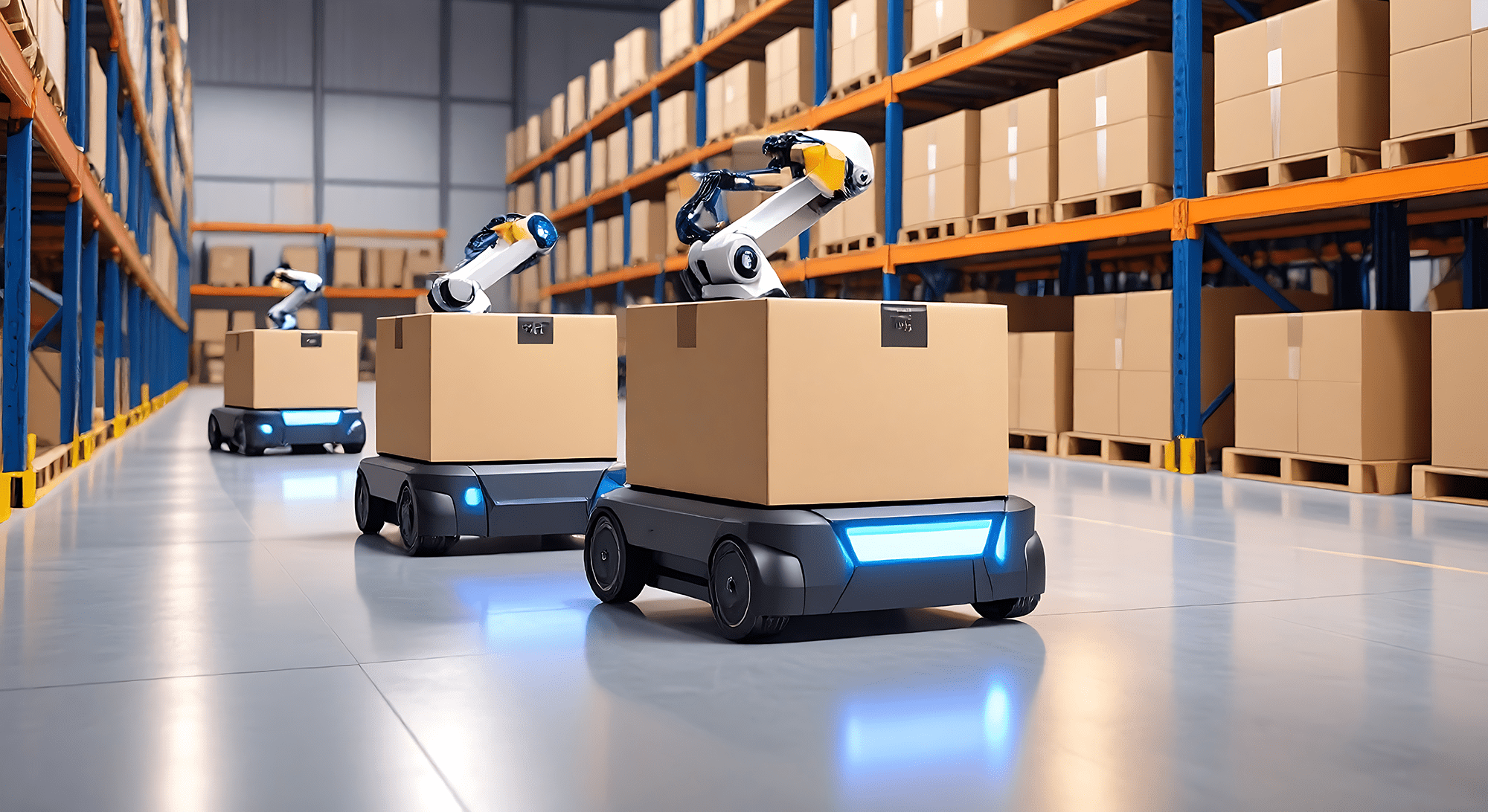
TCO analysis reveals true enterprise technology costs, enabling smarter investments and long-term operational value.

When evaluating enterprise technology solutions, focusing solely on the initial purchase price can lead to costly miscalculations. Total Cost of Ownership (TCO) provides a comprehensive framework for understanding the true investment and return of technology implementations over their entire lifecycle.
Total Cost of Ownership encompasses all direct and indirect costs associated with acquiring, deploying, operating, maintaining, and eventually replacing a technology solution. For enterprise solutions, these typically include:
• Hardware purchase or lease
• Software licensing
• Infrastructure upgrades
• Initial implementation services
• Project management
• Training and onboarding
• System administration
• Maintenance and support contracts
• Software updates and upgrades
• Energy consumption
• Physical space requirements
• Integration with existing systems
• Downtime and productivity impacts
• Technical support resources
• Security and compliance management
• Business process adjustments
• Data management and storage
• System migration
• Data transfer
• Decommissioning
• Environmental disposal considerations
The Hidden Costs of Enterprise Solutions
Many organizations focus primarily on visible upfront costs while underestimating significant hidden expenses:
Unplanned downtime can cost enterprises thousands of dollars per minute. Solutions with higher reliability and robust recovery mechanisms may command premium prices but deliver substantial TCO advantages.
Solutions that require extensive customization or complex integrations with existing systems can multiply implementation costs and timeline. Open architecture systems may offer significant TCO advantages despite potentially higher initial costs.
User adoption directly impacts ROI. Solutions with intuitive interfaces and comprehensive training resources may reduce ongoing productivity costs by 30-40% compared to less user-friendly alternatives.
A solution that meets today’s needs but requires replacement as your business grows can dramatically increase long-term TCO. Investing in scalable enterprise solutions often provides better economics over time.
A national distributor recently evaluated two competing warehouse management systems:
• Option A: $250,000 initial investment, proprietary hardware
• Option B: $375,000 initial investment, cloud-based with mobile capabilities
Initial analysis favored Option A based on purchase price. However, TCO analysis revealed:
Cost Category Option A (5-year TCO) Option B (5-year TCO)
Initial Purchase $250,000 $375,000
Implementation $175,000 $140,000
Annual Maintenance $50,000 × 5 = $250,000 $30,000 × 5 = $150,000
Hardware Refreshes $120,000 $0
Training (Initial + Ongoing) $85,000 $60,000
IT Support Resources $375,000 $225,000
Productivity Impact $200,000 $75,000
TOTAL TCO $1,455,000 $1,025,000
Despite the higher initial investment, Option B delivered over $400,000 in TCO savings over five years.
True TCO analysis goes beyond cost avoidance to consider value creation:
Enterprise solutions that enable faster response to market changes or customer demands create value that may not appear in traditional TCO calculations but significantly impacts competitive positioning.
Solutions that provide advanced analytics and business intelligence capabilities can drive decision-making improvements worth millions in operational efficiency and strategic advantage.
Technologies that improve customer experience can increase retention, referrals, and lifetime value—outcomes that should factor into comprehensive TCO evaluation.
Intuitive, efficient systems reduce worker frustration and increase job satisfaction. In today’s competitive labor market, this impact on recruitment and retention represents significant value.
At Ahearn & Soper Inc. and Zebra Technologies, we recommend these approaches for effective TCO analysis:
1. Define the timeframe: Most enterprise solutions should be evaluated on a 3–5-year horizon.
2. Involve multiple stakeholders: Include IT, operations, finance, and end-users in TCO assessment.
3. Quantify soft benefits: Convert improved productivity, reduced errors, and enhanced customer experience into financial metrics.
4. Consider risk factors: Assess the probability and impact of security breaches, compliance issues, and technological obsolescence.
5. Use scenario planning: Evaluate TCO under different growth, usage, and business condition scenarios.
Total Cost of Ownership analysis provides a powerful framework for technology investment decisions, revealing value and costs that remain hidden in simplistic price comparisons. By understanding and applying TCO principles, organizations can make technology investments that deliver sustainable competitive advantage.
At Ahearn & Soper Inc. and Zebra Technologies, we partner with clients to conduct thorough TCO analyses that inform strategic technology decisions. Our experience across hundreds of implementations gives us unique insight into the factors that drive both costs and value in enterprise solutions.
Contact the Ahearn & Soper team today to learn how a comprehensive TCO analysis can improve your next technology investment decision.
Browse more practical insights connected to warehouse management, automation, labelling, mobility, and support.