The C8000 is built for an ideal production volume of 10,000-plus labels per day, or specialized wide-format needs, with heavy-duty construction for 24/7 operation capability.
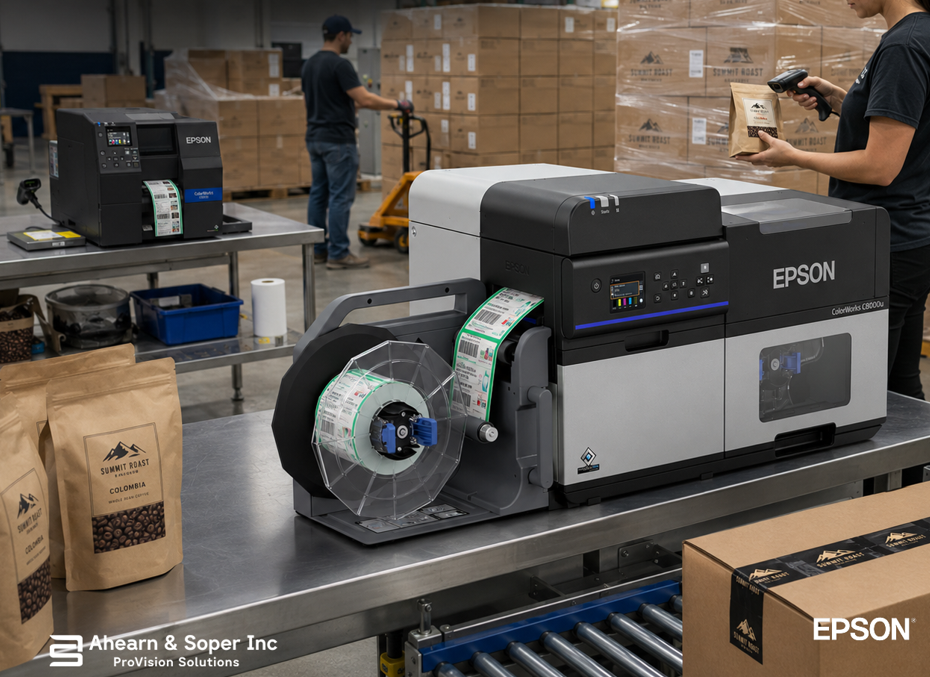
For most of its growth, The Coffee Shop's labeling needs had scaled the way this whole series has described: a rotating cast of single origins, a handful of wholesale cafés, a subscription list, all running comfortably through a C6000. It was, by any reasonable measure, a production model that worked.
Then a regional grocery chain called. They wanted to carry The Coffee Shop's four best-selling bags across 60 stores. That's not a wholesale account. That's a retail distribution contract, and it changes the shape of the labeling question entirely. The math that got a roastery from its first C4000 to a C6000 doesn't automatically extend to a 60-store chain and knowing that before signing the deal, not after, is what separates a launch that goes smoothly from one that starts with empty shelf space.
Everything covered earlier in this series, waste, variable data, wholesale labor, subscription fulfillment, assumed a roaster choosing when and how much to produce. A grocery chain account removes that choice. Sixty stores carrying four SKUs isn't a target you grow into gradually; it's a volume floor you must hit from day one, on a restocking schedule set by the retailer, not by you.
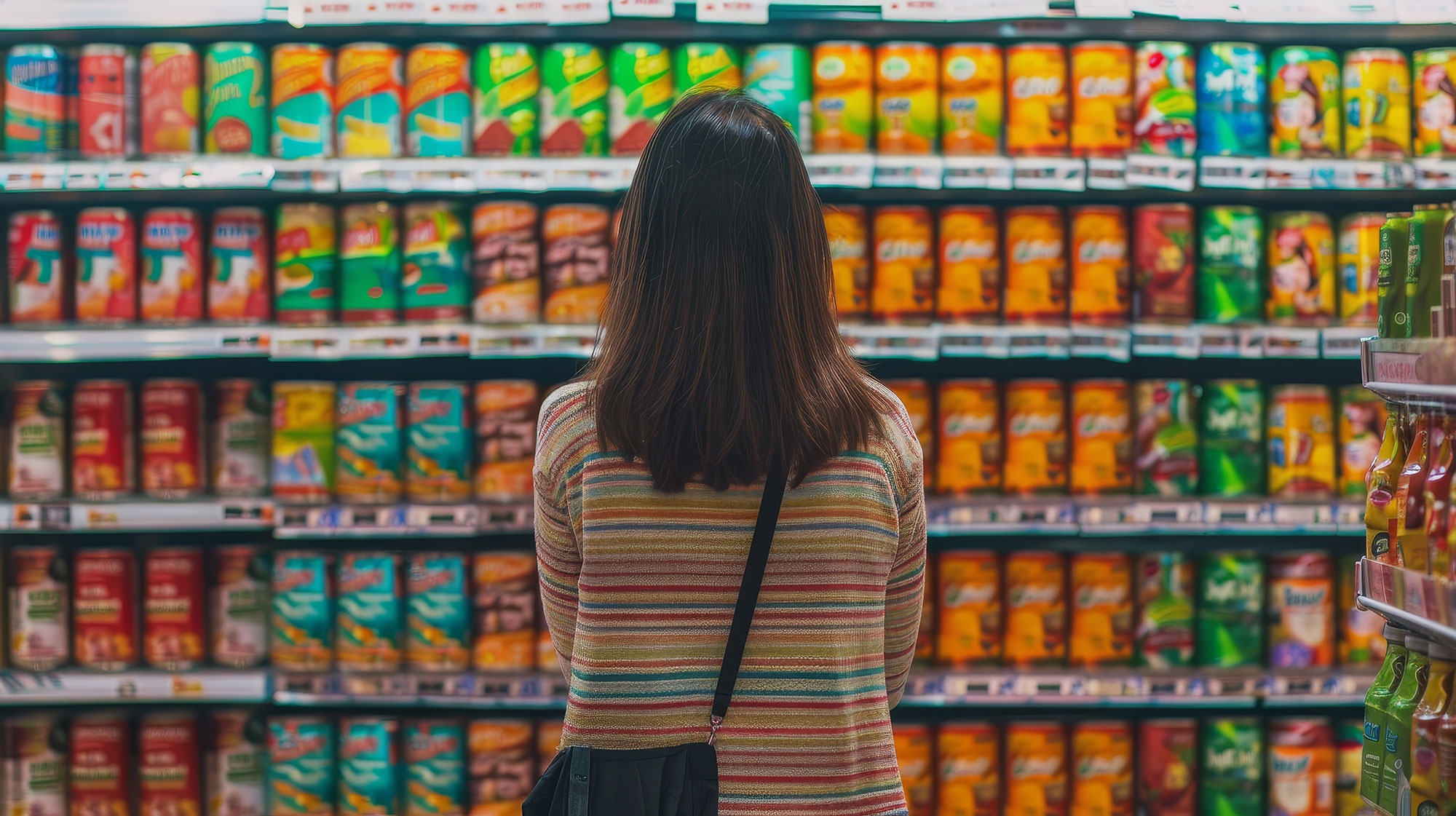
That distinction matters because it changes what "enough printer" means. On a C6000, running short for a day is an inconvenience you can absorb, you catch up tomorrow. Running short on a retail chain's shelf is a different kind of problem: an empty shelf tag reads as out of stock, and out-of-stock on a new account is exactly the outcome that gets a product pulled from the planogram before it's had a chance to prove itself.
A C6000 is built for an ideal production volume of 2,000 to 5,000 labels per day comfortably enough for a growing roastery managing rotating SKUs and a handful of wholesale accounts, as earlier posts in this series have covered. A 60-store chain carrying four SKUs changes that math fast, even before accounting for growth: initial stocking across 60 locations, followed by a recurring restock cycle for four best-sellers, can push sustained daily volume well past what a C6000 was sized for, particularly during the launch window, when every store needs its initial case pack at once rather than spread across weeks.
Ahearn & Soper's own guidance on this point is direct: start by calculating daily label requirements, but also plan for peak demand periods, if a business typically prints 3,000 labels a day but sees monthly rushes requiring 7,000, the higher-capacity model provides the headroom that growth and demand spikes require. A new grocery account is precisely that kind of demand spike, except it doesn't taper back down afterward, it becomes the new baseline, and it keeps growing if the account performs well.
The obvious next step up from a C6000 is the C6500, built for an ideal production volume of 5,000 to 10,000 labels per day, with industrial-grade construction for demanding manufacturing environments. For many mid-sized operations, that's the right landing point. But for The Coffee Shop, two things pointed further, to the C8000.
First, headroom. A 60-store chain account rarely stays flat, a successful launch typically leads to more shelf space, more stores, or both. The C8000 is built for an ideal production volume of 10,000-plus labels per day, or specialized wide-format needs, with heavy-duty construction for 24/7 operation capability. Sizing for where the account is headed, not just where it starts, matters more here than it did for any earlier stage in this series, a grocery chain relationship is exactly the kind of account where "we'll upgrade again in six months" is a much more disruptive answer than it would be for a subscription list or a wholesale café.
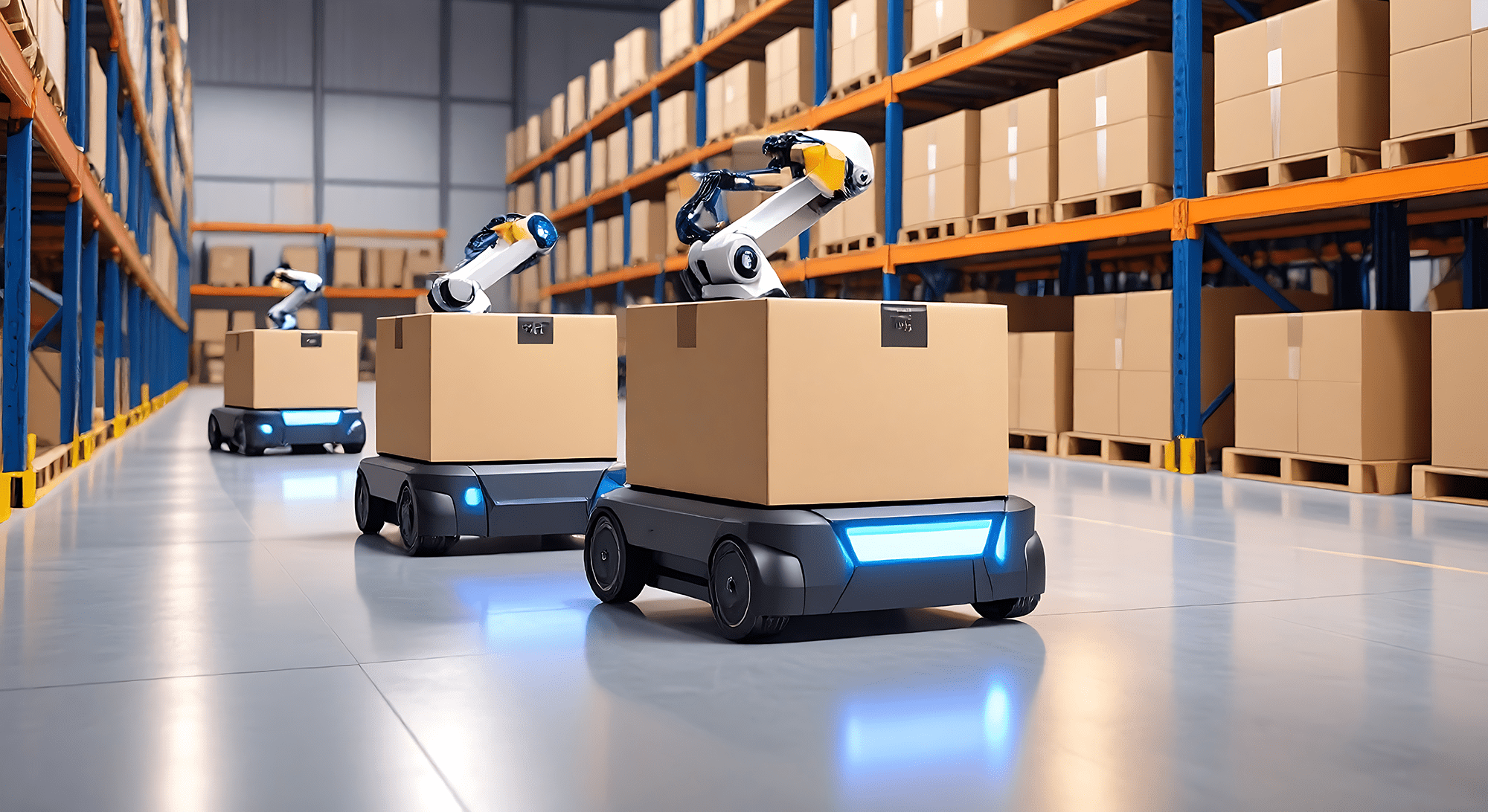
Second, reliability at stake. A missed order to a single wholesale café is a relationship to repair. A stockout across a 60-store chain is a listing decision made against you by a retail buyer who has other roasters wanting that shelf space. The C8000's heavy-duty construction, built for 24/7 operation, and its high-capacity ink system exist specifically for production environments where the printer cannot become the single point of failure in a supply commitment.
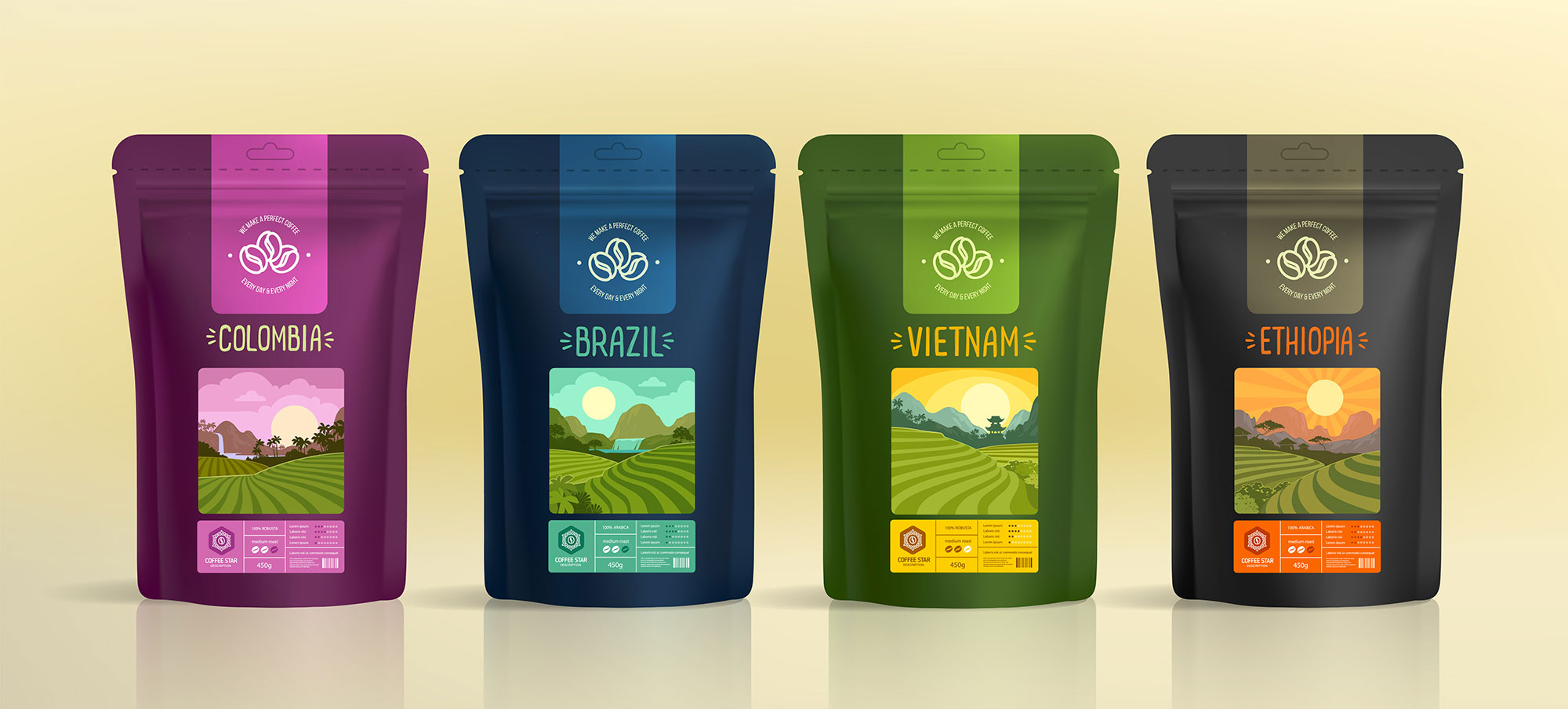
The reassuring part of this jump, as with the C4000-to-C6000 transition covered earlier in this series, is how much carries forward. All ColorWorks models support standard label design software and integrate with existing ERP and inventory management systems, the variable data templates built for rotating single-origins and wholesale branding extend directly to four groceryready SKUs with retailer-specific compliance requirements, not a rebuild from scratch. GHScompliant BS5609-certified labels remain available across the line when paired with the appropriate media, so any compliance-sensitive labeling already in place doesn't need to be requalified.
What changes is capacity and durability, not philosophy. The Coffee Shop isn't switching labeling approaches for the grocery account; it's scaling the same on-demand system to a volume and reliability standard the account requires.
The mistake to avoid isn't choosing the wrong printer, it's discovering the volume problem after signing the contract instead of before. Ahearn & Soper's production analysis is specifically built to assess current volume and growth trajectory together, which is exactly the calculation a chainscale opportunity demands: not "what do we print today," but "what will this account actually require once it's fully stocked and performing," modeled honestly before the first case ships.
A 60-store opportunity is the kind of inflection point every growing roaster hopes for. Whether it becomes a growth story or a cautionary one often comes down to whether the production model was sized for the account before the account started counting on it.
Ahearn & Soper Inc provides production analysis, media recommendations, integration support, and ongoing training to help businesses select and implement the right ColorWorks model for where their volume is headed, not just where it stands today.
Landed a retail account that's bigger than your current setup was built for? Talk to our team before the first shipment goes out, we’ll model the real volume and help you land on the right printer the first time.
Browse more practical insights connected to warehouse management, automation, labelling, mobility, and support.