Adopt a pay-as-you-sell printing model to preserve cash, eliminate waste, and scale labels alongside real customer demand.
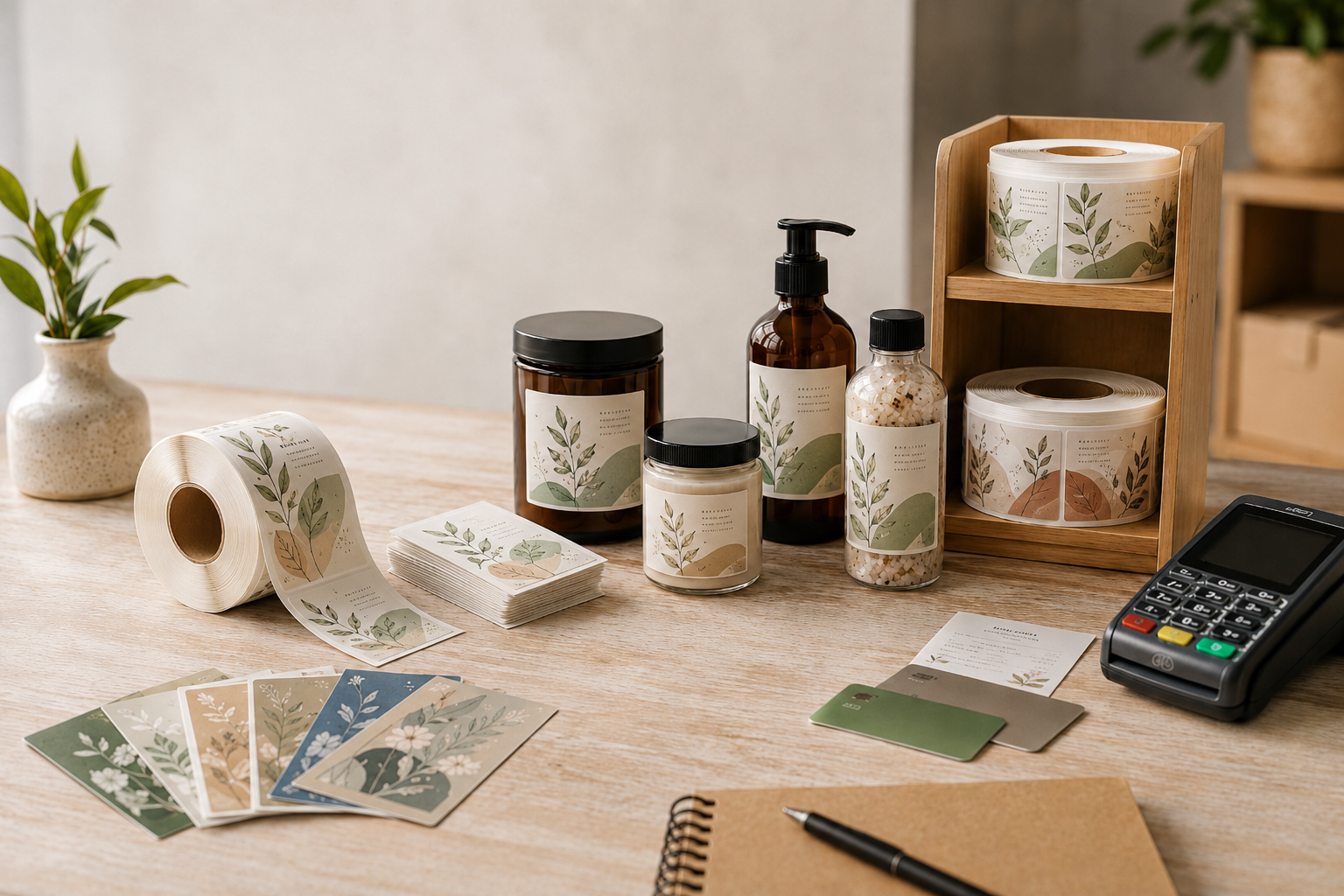
Most label advice is about avoiding mistakes, don't over-order, don't get trapped by minimums, don't stockpile. Useful, but defensive. This one's different. This is the model smart brands quietly run so they never have to play defense in the first place.
It's called pay as you sell. And once you see it, the old "order thousands upfront" approach looks faintly insane.
Here's the entire idea. Instead of treating labels as a big, fixed bet you place once and live with, you treat them as a variable cost, something you buy in small batches, funded by the sales you're actually making, scaling up and down with real demand.
It's the same logic behind not buying a decade of groceries at once. You restock as you consume. Obvious for food; somehow revolutionary for labels, only because the technology to do it affordably (on-demand digital printing) is relatively new.
It's simpler than it sounds:
Set a "par level." Decide how many labels you want on hand at any time, roughly a month or two of sales. Enough to never run out, not enough to stockpile.
Reorder when you dip below it. When your supply drops past that line, you print another small batch. Because there are no plates or minimums, reordering is fast and cheap.
Let revenue fund the next run. Each batch is paid for by the sales of the last one. Your labels stop being an upfront gamble and become a self-funding cycle.
Adjust to reality. Sales spike? Order more. Slow season? Order less. Changing the design? Just upload the new file next time. The system flexes with your business instead of fighting it.
This is where pay-as-you-sell stops being a cost tactic and becomes a growth one:
• Cash stays liquid — free to buy stock, fund ads, or cover a slow month.
• You can experiment again — new designs, finishes, and seasonal variants cost a small batch, not a full run, so you actually try them.
• You stay agile — rebrands, recipe tweaks, and new SKUs happen in days, not after you've burned through a warehouse of old stock.
• Waste basically disappears — you print what you'll use, so almost nothing hits the recycling.
You need two things: an on-demand printer with low or no minimums, and a simple par level you actually watch. That's it. No software, no complexity, just the discipline to reorder small and often instead of huge and once.
This is the quiet through-line of everything in this series. The over-ordering, the frozen cash, the obsolete boxes, the MOQ squeeze, pay-as-you-sell is the single model that solves all of them at once. Not by being clever. By matching what you print to what you actually sell.
Order what the market is asking for, when it asks. Let your sales pay for your labels. And let the box of regret stay forever un-built.
Ready to run labels the smart way? [Start a no-minimum order] and build a pay-as-you-sell cycle that funds itself.
Browse more practical insights connected to warehouse management, automation, labelling, mobility, and support.