Digital labeling technologies are transforming window manufacturing through improved tracking, automation, compliance, and customer engagement.
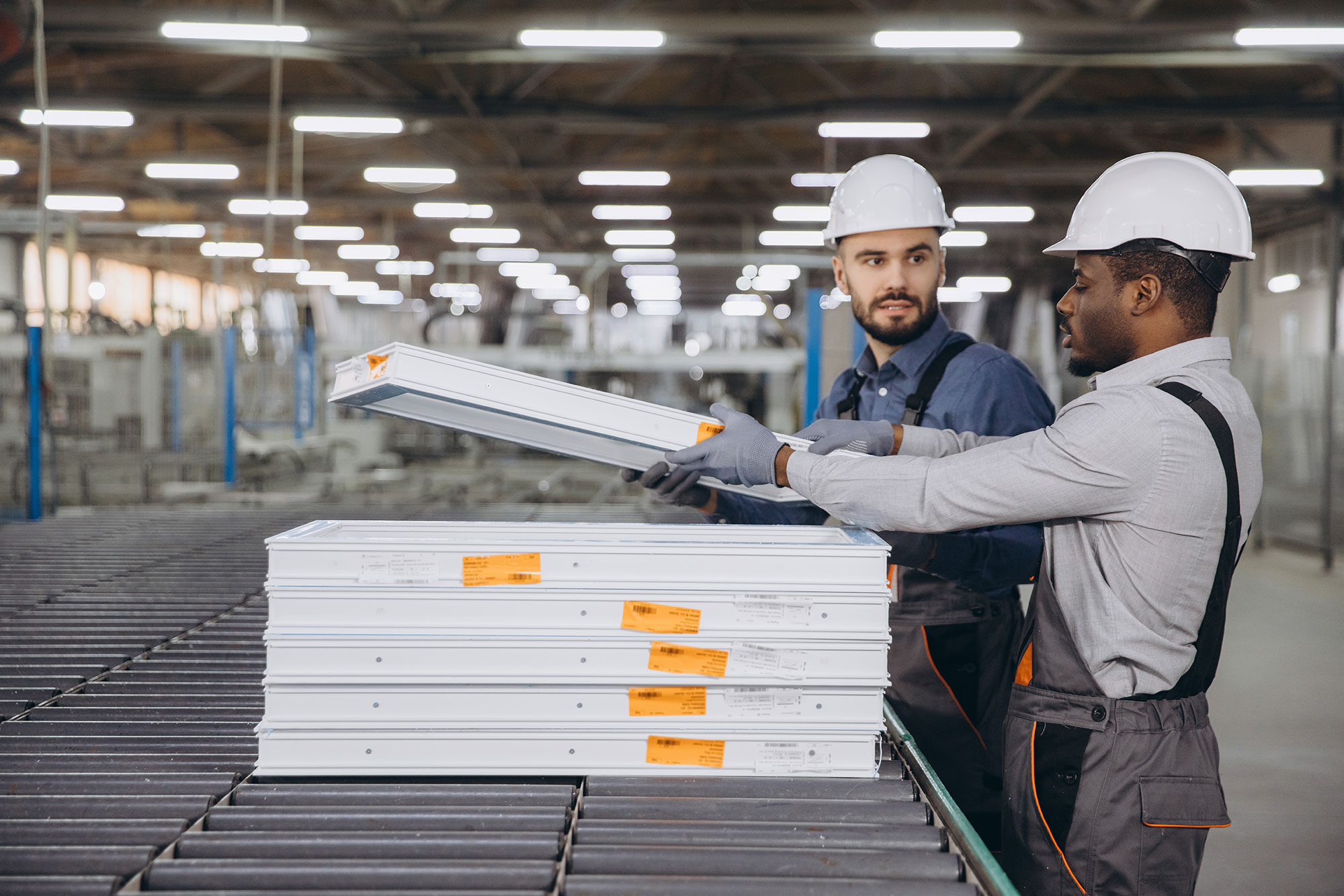
The window manufacturing industry has undergone a significant transformation in its approach to product labeling and tracking over the past several decades. This whitepaper examines the evolution from traditional paper-based labeling systems to sophisticated digital tracking technologies, highlighting how these innovations have revolutionized supply chain management, quality control, and customer service within the industry. By exploring current trends and future possibilities, this document provides stakeholders with valuable insights into how modern labeling solutions can drive operational efficiency and competitive advantage in today’s market.
Product labeling serves as the critical interface between manufacturers, distributors, installers, and end users in the window industry. What began as simple paper tags has evolved into comprehensive information systems that facilitate tracking, authentication, and communication throughout the product lifecycle. This evolution reflects broader technological trends and the increasing demands for transparency, efficiency, and sustainability in modern supply chains.
The window industry’s initial approach to product labeling was primarily functional and straightforward. Paper labels typically contained basic information:
These labels served essential purposes: identifying products, ensuring correct installation, and providing limited warranty information. However, they suffered from significant limitations:
The introduction of barcode technology in the 1980s marked a pivotal shift in the industry’s approach to labeling. One-dimensional barcodes allowed for:
While representing a significant advancement, these systems were still limited in their information capacity and required line-of-sight scanning, making them inefficient for tracking products through complex supply chains.
Quick Response (QR) codes emerged as a game-changer for the window industry in the 2010s. These two-dimensional codes can store significantly more information than traditional barcodes and offer several advantages:
Case Study: Pella Windows QR Implementation Pella’s integration of QR codes on window products resulted in a 35% reduction in customer service calls related to installation questions and a 28% improvement in proper warranty registration, demonstrating the tangible benefits of this technology.
Radio Frequency Identification (RFID) represents another significant advancement in window product labeling. Unlike barcodes and QR codes, RFID tags:
RFID implementation has enabled window manufacturers to achieve near real-time inventory visibility, significantly reducing instances of stockouts and overstock situations.
Near Field Communication (NFC) tags have further enhanced the consumer-facing aspects of window labeling:
Advanced labeling technologies have transformed supply chain management within the window industry:
Research indicates that manufacturers implementing comprehensive digital tracking systems have achieved up to 23% reduction in lead times and 42% improvement in order accuracy.
Digital labeling has significantly improved quality management processes:
Perhaps most importantly, modern labeling systems have transformed the customer experience:
Despite the clear benefits, the transition to digital labeling systems presents challenges:
Many window manufacturers operate with established ERP and inventory management systems that may not easily accommodate newer tracking technologies. Solutions include:
Implementation costs can be significant, particularly for smaller manufacturers. Strategies to manage these include:
Employee and partner training represents a critical success factor. Effective approaches include:
The Internet of Things (IoT) is beginning to intersect with window labeling through:
Blockchain technology offers promising applications in window manufacturing:
AR is emerging as a powerful tool linked to window labeling:
The evolution of product labeling in the window industry reflects a broader digital transformation that has fundamentally changed how products are manufactured, distributed, and maintained. From paper tags to sophisticated digital systems, each advancement has addressed specific challenges while creating new opportunities for efficiency, transparency, and customer service.
As the industry continues to evolve, the integration of labeling with emerging technologies like IoT, blockchain, and augmented reality promises to further enhance the value derived from these systems. Forward-thinking companies that embrace these innovations position themselves to gain significant competitive advantages through improved operations, enhanced customer experiences, and more sustainable practices.
The future of window labeling is not merely about identifying products but about creating an information ecosystem that connects all stakeholders and enhances every stage of the product lifecycle. Companies that recognize and act upon this strategic shift will likely emerge as leaders in the next era of window manufacturing and distribution.
This whitepaper was prepared based on comprehensive industry research, including interviews with manufacturing executives, technology providers, and supply chain experts specializing in the window and door industry. For more information or to discuss implementing advanced labeling solutions for your operations, please contact the Ahearn & Soper team.
Browse more practical insights connected to warehouse management, automation, labelling, mobility, and support.