
Choosing the right direct thermal printer depends on volume, resolution, connectivity, durability, and total cost of ownership.
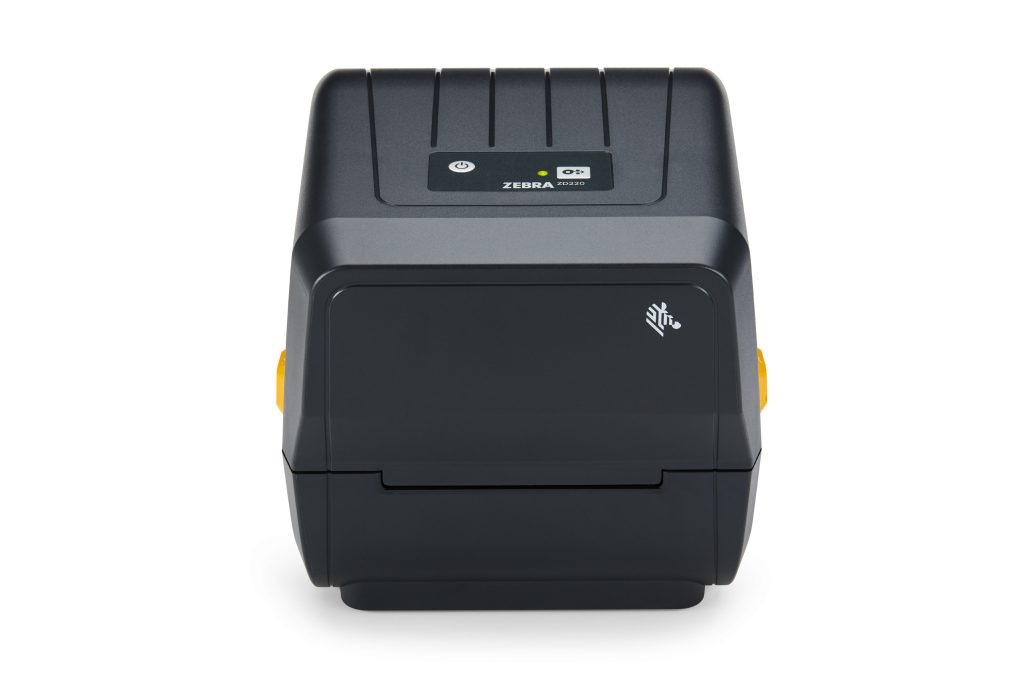
When it comes to industrial printing solutions, direct thermal printers have become increasingly popular across warehousing, logistics, retail, and manufacturing sectors. Choosing the right one can significantly impact your operational efficiency and bottom line. Here’s a comprehensive guide to help you make an informed decision.
Direct thermal printers use heat-sensitive paper that darkens when heated by the thermal printhead. Unlike thermal transfer printers, they don’t require ribbons or ink, making them more cost-effective for certain applications. However, the prints can fade over time, especially when exposed to heat, light, or chemicals.
Print Volume and Speed Requirements
Your daily printing volume should be a primary consideration. A small distribution center might be fine with a printer capable of 1,000 labels per day, while a large fulfillment center might need one that can handle 10,000+ labels daily. Look for specifications like:
Resolution requirements vary by application:
203 DPI: Suitable for standard shipping labels and basic barcodes
300 DPI: Better for smaller barcodes and detailed graphics
600 DPI: Necessary for very small text or complex 2D barcodes
Consider your specific needs – higher resolution means higher costs but might be essential for your application.
Different businesses have different label requirements. Consider:
Industrial environments can be demanding. Evaluate:
Modern industrial printers should offer flexible connectivity:
Consider how the printer will fit into your existing systems:
Smart Features
Many modern industrial printers come with intelligent features that can improve efficiency:
Adequate memory and processing power ensure smooth operation:
Look beyond the initial purchase price:
To make the best choice:
1. Document your specific requirements and constraints
2. Request sample prints from potential suppliers
3. Test the printer in your actual operating environment
4. Consider the manufacturer’s reputation and support infrastructure
5. Read user reviews and case studies
6. Evaluate ROI based on total cost of ownership
Selecting the right industrial direct thermal printer requires careful consideration of your specific needs, environment, and budget. While it might be tempting to focus solely on the purchase price, consider the long-term implications of your choice. The right printer should provide reliable service, integrate seamlessly with your operations, and offer room for growth as your business expands.
Remember that the cheapest option isn’t always the most cost-effective in the long run. Focus on finding a printer that offers the best balance of features, reliability, and total cost of ownership for your specific application.
Consider scheduling demonstrations, Ahearn & Soper Inc have the product expertise that will help you make the right final decision. This investment in time and effort during the selection process can save significant resources and prevent operational headaches down the line.
Browse more practical insights connected to warehouse management, automation, labelling, mobility, and support.