Learn the key factors behind label pricing to compare quotes confidently, avoid hidden fees, and choose cost-effective printing options.
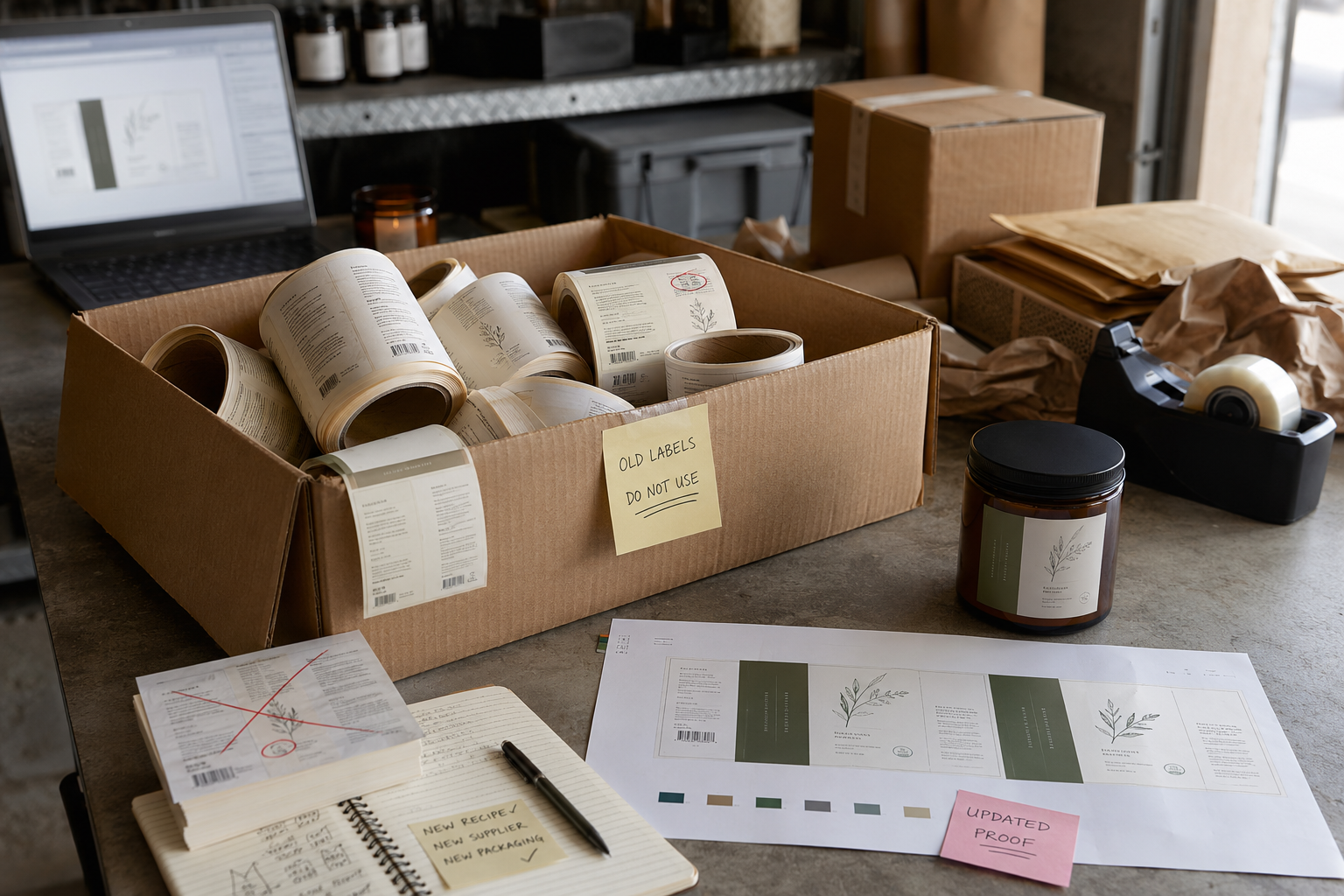
Ask a printer "how much do custom label cost?" and you'll get the most maddening answer in business: it depends.
Annoying, but true. So instead of a fake number, here's the honest version: exactly what it depends on, so you can read any quote and know whether it's fair.
The biggest lever. Traditional printing makes small orders pricey per unit (those setup fees again) and bigorders cheap per unit. On-demand digital flattens this, small runs stay reasonable because there's no setup to recover.
Bigger labels use more materialand more ink. A small jar lid label and a full wrap around bottle label are different animals, even at the same quantity.
Paper is the budget option. Films like vinyl and BOPP cost more but survive moisture, fridges, freezers,and handling. Specialty stocks (textured, kraft, clear) sit higher still. The right choice is the one that survives where your product actually lives, notthe cheapest one.
A plainlabel is one price. Add a matte or gloss laminate, and it climbs. Add foil, spot UV, or embossing, and it climbs again. These can make a product look genuinely premium, but each is a line item, so add them on purpose, not bydefault.
A design that floods the whole label with ink costs more to produce than one with lotsof white space. Heavy, edge-to-edge color is beautiful and not free.
Two printers can quote the identical label and landmiles apart, usually because one is pricing for a big traditional run with setup baked in, and the other is pricing on-demand with no minimums. Neither is lying. They're pricing two different models. Make sure you're comparing the model that fits your stage, not just the bottom-line number.
Rather than chase a magic price per label, judge aquote on three things
A minimum order so high it scares you. A vague"setup fee" with no explanation. A price that only looks good atquantities you'd take two years to use. And anyone who can't tell you the material and finish you're buying.
The right cost isn't the lowest number on the page. It's the lowest number for the quantity you'll really use, with no fixed fees forcing your hand. Get that, and "it depends" stops being annoying and starts being your advantage.
Stop guessing. [Get an itemized, no-minimum quote] for your exact size, material, and quantity, and see what fair actually looks like.
Browse more practical insights connected to warehouse management, automation, labelling, mobility, and support.