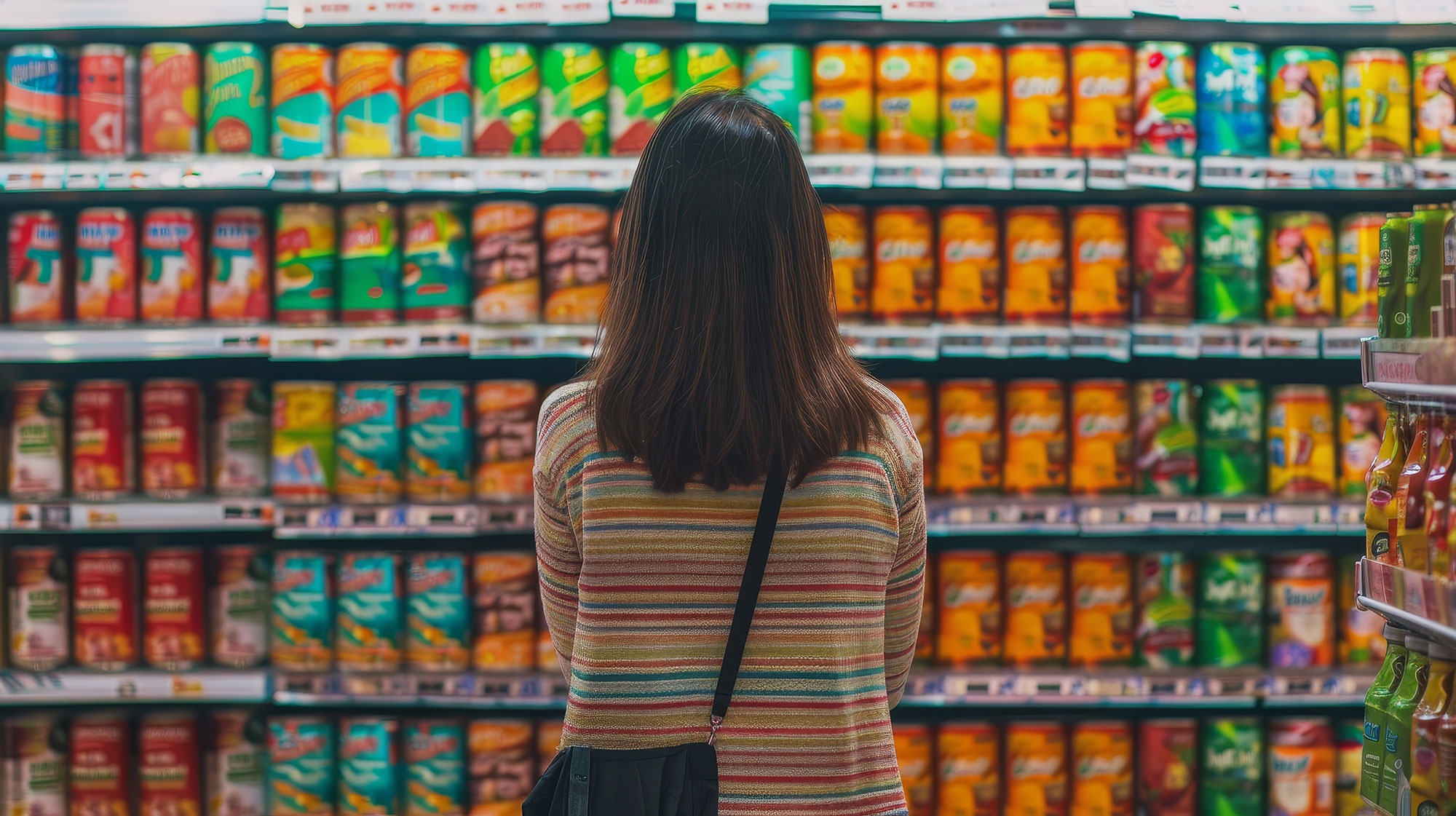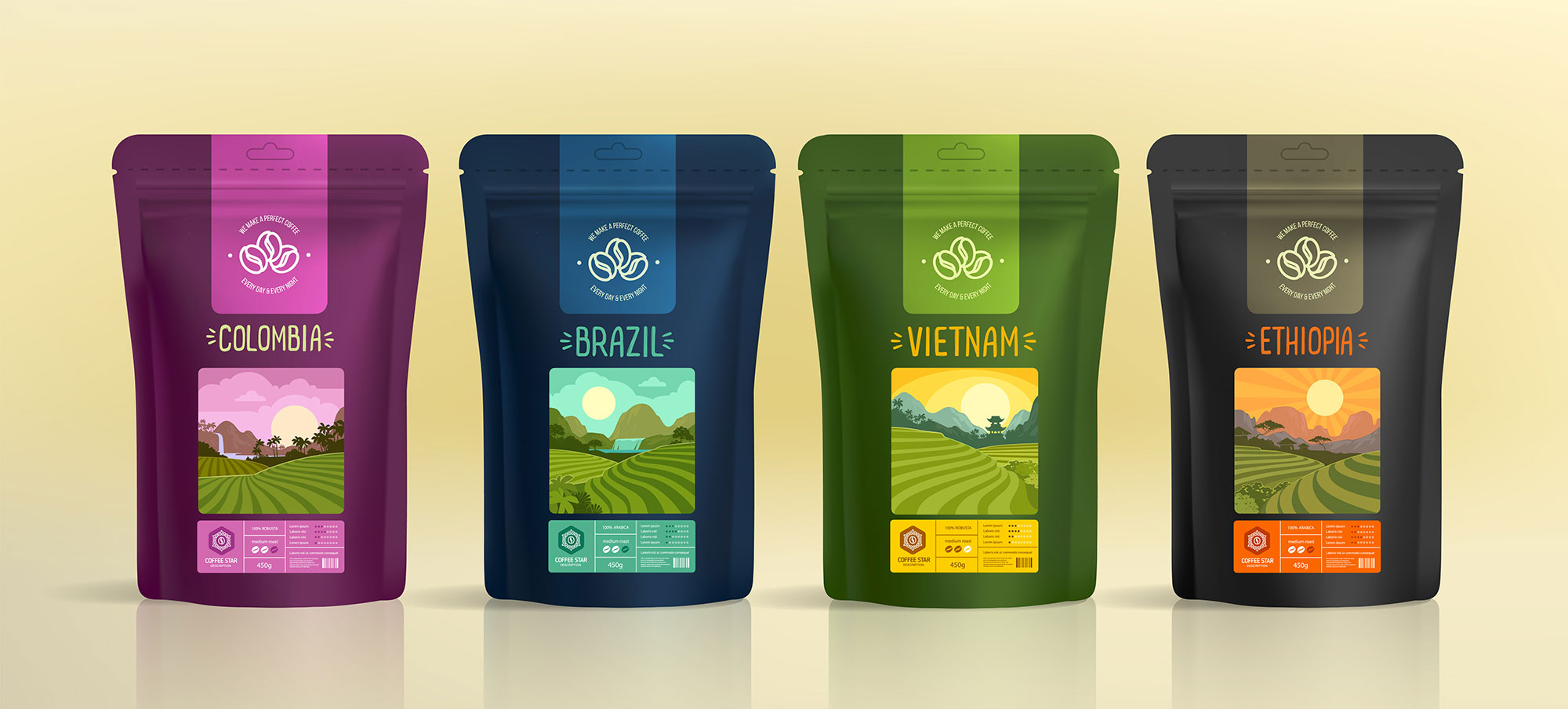
Discover how modern labeling solutions help food and beverage operations meet compliance standards while improving speed, accuracy, and production efficiency.
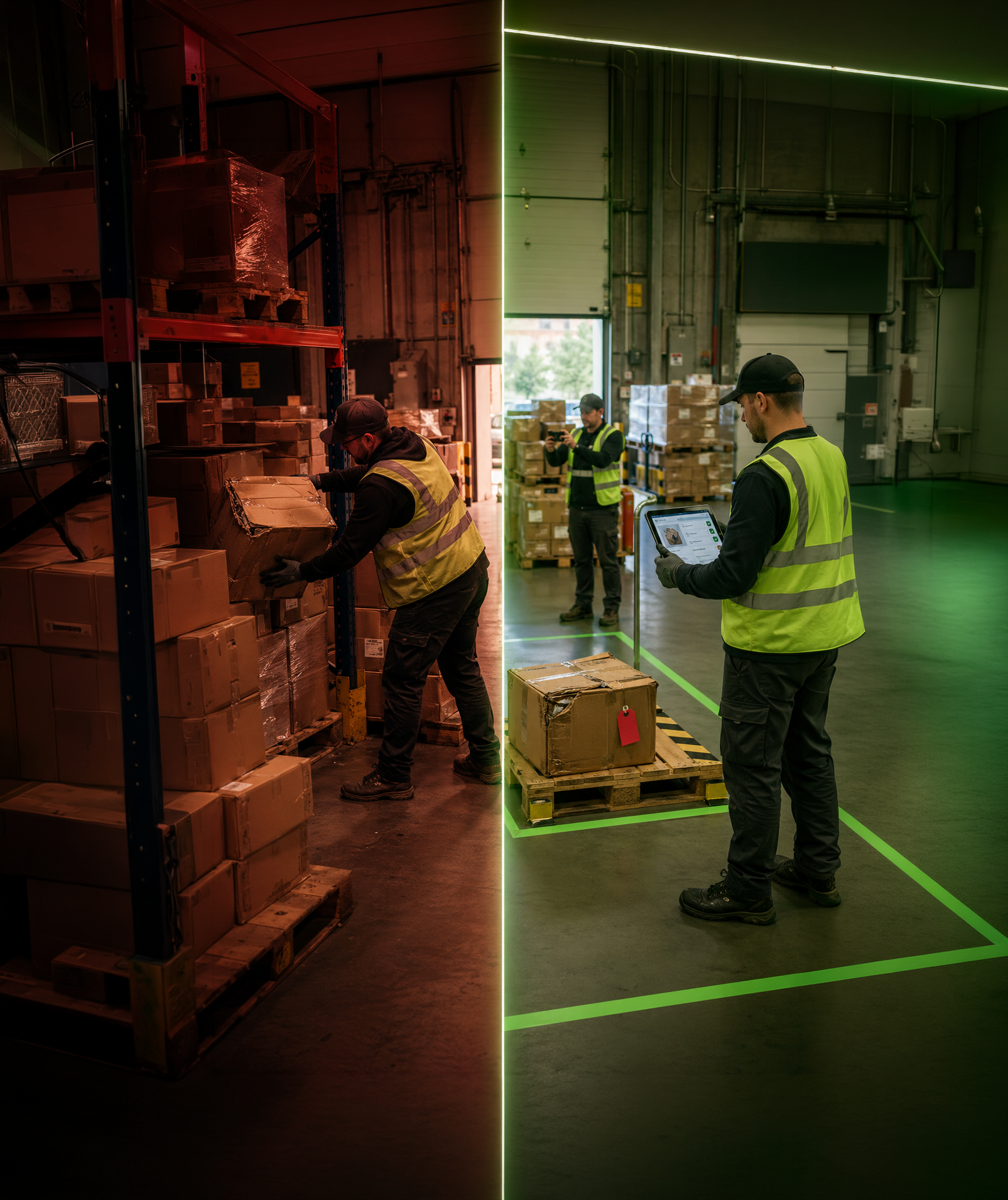
In the food and beverage industry, a label is never just a label. It is a regulatory statement, a brand promise, a traceability record, and a production checkpoint, all at once. And it needs to be applied correctly, at line speed, every single time.
At ProVision Labels by Ahearn & Soper, we work with food and beverage producers across Canada who face exactly these pressures: tightening Health Canada and CFIA labeling mandates, faster SKU cycles, high-speed filling lines, temperature-challenged supply chains, and consumers who demand transparency. This blog breaks down the labeling challenges that are most specific to your sector, and how purpose-built solutions resolve them.
Canada's Safe Food for Canadians Regulations (SFCR), the Food and Drug Regulations, and provincial bilingual requirements create a labeling landscape that shifts constantly. The 2022 front-of-pack nutrition symbol rules are now firmly in force, and retailers are demanding GS1-compliant barcodes and full traceability data as conditions of shelf placement.
Common compliance pain points we hear from F&B clients:
The ProVision Labels Advantage: Our label design team works directly from current CFIA and Health Canada guidance documents. We pre-flight every label against regulatory checklists before a single roll goes to press — catching issues like insufficient contrast on allergen statements or mis-sized nutrition tables before they become recalls. For clients managing multiple SKUs, we maintain a version-controlled label library so that when regulations change, updates propagate systematically rather than label by label.
A modern bottling or packaging line runs anywhere from 200 to 1,200+ units per minute. At that throughput, even a 0.5% label jam rate translates into thousands of lost units per shift. Label stock consistency, caliper uniformity, die-cut precision, release liner quality, and core dimensions directly determines uptime.
What high-speed lines demand from label stock:
The ProVision Labels Advantage: We produce label rolls to applicator-specific tolerances and can provide applicator integration support through Ahearn & Soper's print and apply expertise. Before your first production run, we'll confirm caliper specs, liner release values, and core dimensions against your actual equipment. This isn't boilerplate, it's engineering your label as a component of your line.
Food and beverage packaging lives in some of the harshest adhesive environments in the labeling world. Refrigerated products label at 2–5°C. Frozen SKUs go to –25°C or lower. Cold-fill beverages sweat condensation immediately after filling. Retort pouches see steam sterilization at 121°C. Each scenario requires a distinct adhesive chemistry.
Adhesive Selection Guide by Application Environment:
Refrigerated labeling (pre-cool)
Temperature Range: 2°C to 10°C
Recommended Adhesive: Low-temp permanent acrylic
Frozen (applied at room temp)
Temperature Range: Down to −25°C storage
Recommended Adhesive: Hotmelt with cold-temp anchor
Wet/condensation surfaces
Temperature Range: Variable
Recommended Adhesive: All-temp emulsion acrylic
Retort / steam pasteurization
Temperature Range: Up to 121°C
Recommended Adhesive: High-temp permanent acrylic
Hot-fill beverages
Temperature Range: 70°C–95°C fill temp
Recommended Adhesive: Emulsion acrylic, coated face stock
The ProVision Labels Advantage: ProVision Labels stocks an intentionally broad portfolio of adhesive constructions precisely because one-size-fits-all fails in food and beverage. We test adhesive performance against your actual substrate — HDPE, PET, glass, foil, recycled board — not against a generic reference surface. For condensation and ice-zone applications, we provide 72-hour adhesion validation reports before first shipment.
The growth of private label, regional flavour variants, seasonal limited editions, and retailer-specific packaging has exploded the number of active label versions a typical mid-size food producer manages. Some of our clients maintain 300+ active label SKUs. At that scale, version control isn't a nice-to-have — it's a food safety imperative. Applying last season's label to a reformulated product with a new allergen profile is a recall waiting to happen.
The ProVision Labels Advantage: Our label management platform, integrated with Ahearn & Soper's broader supply chain labeling ecosystem, provides a centralized SKU library with version history, change audit trails, and approval workflows. When a formulation changes, only authorized personnel can release the updated label to print. Obsolete versions are archived and locked. For high-volume producers, we also support variable-data printing for short-run regional variants without requiring a full plate change.
Food traceability requirements under the Safe Food for Canadians Act, combined with retailer EDI mandates, mean that barcode quality is now a supply chain KPI. A label that looks perfect to the human eye can still fail a GS1 scan verification test, and a failed scan at a distribution centre means deductions, chargebacks, or refused shipments.
Barcode quality factors that matter in food & beverage:
The ProVision Labels Advantage: Every ProVision label with a barcode is GS1 verification-tested before shipment. We provide ISO/IEC 15416 scan grade reports on request. Our pre-press team enforces quiet zone minimums in artwork review and will reject supplier-provided artwork files that encroach on barcode anatomy, even when clients push back on the change. We'd rather have that conversation before print than after a chargeback.
Retailer sustainability scorecards, consumer expectations, and emerging extended producer responsibility (EPR) regulations are pushing food brands to evaluate every component of their packaging, including labels. The challenge is that sustainable label constructions must still meet all the performance requirements above: adhesion, scan quality, compliance legibility, and line speed compatibility.
Sustainable label options available through ProVision Labels:
The ProVision Labels Advantage: Sustainability in labeling involves real trade-offs — PCR content can affect printability, wash-off adhesives require specific application temperatures, liner-free requires applicator modifications. Our role is to honestly navigate those trade-offs with you, not sell you a green label that fails in production. We provide side-by-side performance comparisons between conventional and sustainable constructions so you can make an informed decision.
✔ Regulatory-ready design: Every label pre-flighted against CFIA, Health Canada, and retailer requirements
✔ Applicator-matched stock: Label rolls engineered to your line speed and equipment specs
✔ Adhesive engineering: Validated for cold-chain, hot-fill, condensation, and retort environments
✔ Version-controlled SKU management: Centralized library with change audit trails and approval workflows
✔ GS1-verified barcodes: ISO scan grade reports provided with every barcode label order
✔ Sustainable constructions: Honest performance trade-off analysis, not green-washing
Whether you're re-labeling to meet updated CFIA requirements, launching a new SKU on a high-speed line, or looking to make your packaging more sustainable without compromising performance, ProVision Labels by Ahearn & Soper is the labeling partner built for food and beverage complexity.
Browse more practical insights connected to warehouse management, automation, labelling, mobility, and support.